Tapioca Starch Magic: The Gluten-Free Secret of Brazilian Cheese Bread Puffs
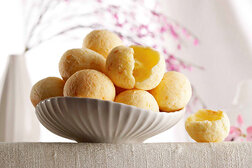
Imagine a warm, golden sphere with a delightfully crisp exterior that yields to an irresistibly chewy, cheesy interior. This isn't just any snack; it's the magical Pão de Queijo, also known as Brazilian cheese bread puffs. A staple of Brazilian cuisine, these small, addictive bites have captivated palates worldwide, not just for their incredible flavor and texture, but for a unique secret ingredient: tapioca starch. This humble, gluten-free flour is the true star, transforming simple ingredients into a culinary marvel that defies traditional bread-making conventions.
For anyone navigating a gluten-free diet or simply seeking a delightful new baking adventure, understanding the role of tapioca starch in creating these iconic Brazilian cheese bread puffs is a game-changer. Forget the complexities of yeast and gluten development; Pão de Queijo offers a quick, satisfying, and naturally gluten-free experience that can be ready in under an hour from start to finish. Let's unlock the secrets behind these chewy, cheesy, and utterly irresistible treats.
What Makes Brazilian Cheese Bread Puffs So Uniquely Irresistible?
The name "Brazilian cheese bread" can be a little misleading. While they are certainly cheesy and often enjoyed like bread, Pão de Queijo isn't bread in the traditional sense at all. There's no wheat flour, no yeast, and no lengthy proofing required. This fundamental difference is what sets them apart and contributes to their distinctive appeal. Instead of the airy, open crumb of a yeast-leavened loaf, these delightful cheese puffs offer a captivating contrast:
- Crisp Exterior: Fresh from the oven, the outside of each Pão de Queijo puff boasts a delicate, golden crispness that offers a satisfying initial crunch.
- Chewy, Gooey Interior: Break one open, and you'll discover a wonderfully elastic, almost bouncy texture, packed with molten cheese. This unique chewiness is the hallmark of authentic Pão de Queijo and is entirely attributable to its starch-based dough.
- Naturally Gluten-Free: Because wheat flour is completely absent, Pão de Queijo is inherently gluten-free, making it a fantastic option for those with celiac disease or gluten sensitivities, without compromising on flavor or texture.
- Quick to Bake: Unlike many bread recipes, these quick Pão de Queijo treats come together rapidly, making them perfect for last-minute snacks, breakfast accompaniments, or impromptu gatherings.
These Brazilian cheese bread puffs are incredibly versatile. They're perfect alongside a morning coffee, as an afternoon snack, or even as a unique side dish to a meal. Their small, spherical shape makes them ideal for sharing, though you might find it hard to stop at just one!
Tapioca Starch: The Gluten-Free Game Changer Behind the Puff
At the heart of every perfect Brazilian cheese bread puff lies tapioca starch. Derived from the cassava root (also known as yuca or manioc), tapioca starch is a fine, white powder that performs culinary magic, especially in gluten-free baking. Unlike wheat flour, which relies on gluten networks for structure and elasticity, tapioca starch creates its own unique texture through gelatinization and expansion.
Sweet vs. Sour Tapioca Starch
The world of tapioca starch for Pão de Queijo often distinguishes between two types: polvilho doce (sweet tapioca starch/flour) and polvilho azedo (sour tapioca starch). While "sweet" and "sour" refer to the processing, both are excellent for Pão de Queijo, and some recipes even combine them for a nuanced texture:
- Polvilho Doce (Sweet Tapioca Starch): This is the more common, unfermented variety. It contributes to a softer, slightly chewier texture in the finished product.
- Polvilho Azedo (Sour Tapioca Starch): This starch has undergone a fermentation process, giving it a subtle tangy flavor and often resulting in a puffier, slightly crisper crust and a more pronounced chew.
Regardless of the type used, the mechanism is similar. When the hot liquid (milk, oil, butter, and water) is poured over the tapioca starch, it "cooks" or gelatinizes the starch granules. This process, called "scalding" or "escalding," creates an incredibly elastic dough. During baking, the moisture in the dough turns into steam, which, combined with the air trapped within the elastic starch matrix, expands rapidly. This expansion is what causes the Pão de Queijo to puff up beautifully, creating those characteristic hollow pockets and airy, chewy centers – all without a single grain of wheat or a pinch of yeast.
The addition of fat, such as vegetable oil and butter, is also crucial. Since there's no gluten to provide structure, fats contribute to the dough's elasticity and pliability, ensuring it can stretch and hold the expanding gases, leading to that signature puff and chew.
A Taste of Brazil: The History and Evolution of Pão de Queijo
The history of Pão de Queijo is as rich and flavorful as the puffs themselves. Originating in the Brazilian state of Minas Gerais during the 18th century, these cassava starch rolls were initially made without cheese. They were a simple, carbohydrate-rich food for enslaved Portuguese colonists, utilizing the readily available cassava root.
As dairy farming grew in popularity in Minas Gerais towards the end of the 19th century, cheese became more accessible. It wasn't long before this delicious ingredient was incorporated into the cassava starch rolls, transforming them into the beloved cheesy delights we know today. The combination was a stroke of genius, and Pão de Queijo quickly became a culinary icon.
Today, these Brazilian cheese bread puffs are ubiquitous across Brazil. You'll find them sold by street vendors, in every bakery, and even pre-made in supermarkets. Their popularity has also spread beyond Brazil's borders, finding a warm reception in neighboring countries like Argentina and Paraguay, where similar starch-based cheese breads exist, such as pandebono in Colombia/Ecuador, cuñapes in Bolivia, and chipa in Paraguay.
Cheese Choices for Authentic Flavor
Traditionally, Pão de Queijo is made with Minas cheese, a fresh, cow's milk cheese native to Minas Gerais, renowned for its slightly salty and tangy flavor. However, its availability outside Brazil can be limited. The good news is that Pão de Queijo is incredibly adaptable, and fantastic results can be achieved with a blend of easily accessible cheeses:
- Mozzarella: Adds a beautiful, stringy cheese pull and a mild, creamy flavor.
- Parmesan or Pecorino Romano: Contributes a sharper, saltier, and more pungent kick, elevating the overall cheese profile.
- Other Hard Cheeses: Grated provolone, Gruyère, or even a sharp cheddar can also be used to experiment with different flavor notes.
The key is to use freshly grated cheese for the best texture and flavor, ensuring the cheese melts smoothly into the elastic dough.
Crafting Your Own Brazilian Cheese Bread Puffs: Tips for Success
Making your own Brazilian cheese bread puffs is a rewarding experience, and with a few tips, you can achieve perfect results every time. Here's what you need to know to unlock the full potential of these gluten-free wonders:
Essential Ingredients & Their Roles:
- Tapioca Starch: As discussed, it's the foundation. Ensure you're using plain tapioca starch (polvilho doce) or experiment with a blend including sour (polvilho azedo) for a tangier, puffier result.
- Cheese: A combination of a good melting cheese (like mozzarella) and a flavorful hard cheese (Parmesan or Pecorino Romano) offers the best balance of texture and taste. Don't be shy with the cheese!
- Fat (Oil & Butter): These are crucial for creating the elastic dough. Canola or vegetable oil is common, alongside butter for flavor and richness.
- Milk: Provides moisture and contributes to the dough's texture.
- Eggs: Act as a binder, helping to emulsify the dough and provide structure as the puffs bake.
- Salt: Essential for balancing the flavors and enhancing the cheese.
The Scalding Method:
The unique technique for preparing Pão de Queijo dough involves bringing milk, oil, and butter (and sometimes a bit of water) to a boil, then immediately pouring this hot liquid over the tapioca starch. This "scalds" the starch, kickstarting the gelatinization process that's vital for the dough's elasticity. After the initial mix, you'll incorporate eggs and the grated cheese to form a cohesive, slightly sticky dough.
Forming and Baking:
Once the dough is ready, dust your hands lightly with a little extra tapioca starch to prevent sticking, and roll the dough into small, uniform balls. Place them on a baking sheet, and within minutes in a hot oven, you'll witness the magic unfold as they puff up beautifully. A typical recipe for quick Pão de Queijo often yields perfectly golden, airy puffs in just 20-25 minutes.
Make Ahead & Freezing Tips:
One of the best features of Pão de Queijo is its freezer-friendliness. You can prepare a large batch of the dough, roll it into balls, and freeze them raw on a baking sheet. Once solid, transfer them to a freezer-safe bag or container. When a craving strikes, simply bake them straight from frozen, adding a few extra minutes to the baking time. This makes fresh, warm Brazilian cheese bread puffs an effortless reality any day of the week!
Serving Suggestions:
While often enjoyed on their own with a strong Brazilian coffee, Pão de Queijo also pairs wonderfully with:
- Breakfast: Alongside scrambled eggs or fresh fruit.
- Snacks: Perfect for lunchboxes or an afternoon pick-me-up.
- With Meals: A fantastic gluten-free alternative to dinner rolls or bread.
- Dips: Serve with a flavorful chimichurri or a simple tomato salsa.
Embrace the Magic of Tapioca Starch
The magic of tapioca starch in creating the beloved Brazilian cheese bread puffs Pão de Queijo is truly a testament to its versatility and unique properties. From its humble origins to its current status as a global favorite, this naturally gluten-free delicacy offers a compelling blend of crispness, chewiness, and intense cheesy flavor. Whether you're a seasoned baker or new to the kitchen, experimenting with tapioca starch to create these delightful puffs is an experience not to be missed. So, gather your ingredients, embrace the Brazilian spirit, and get ready to indulge in the chewy, cheesy goodness of homemade Pão de Queijo.
