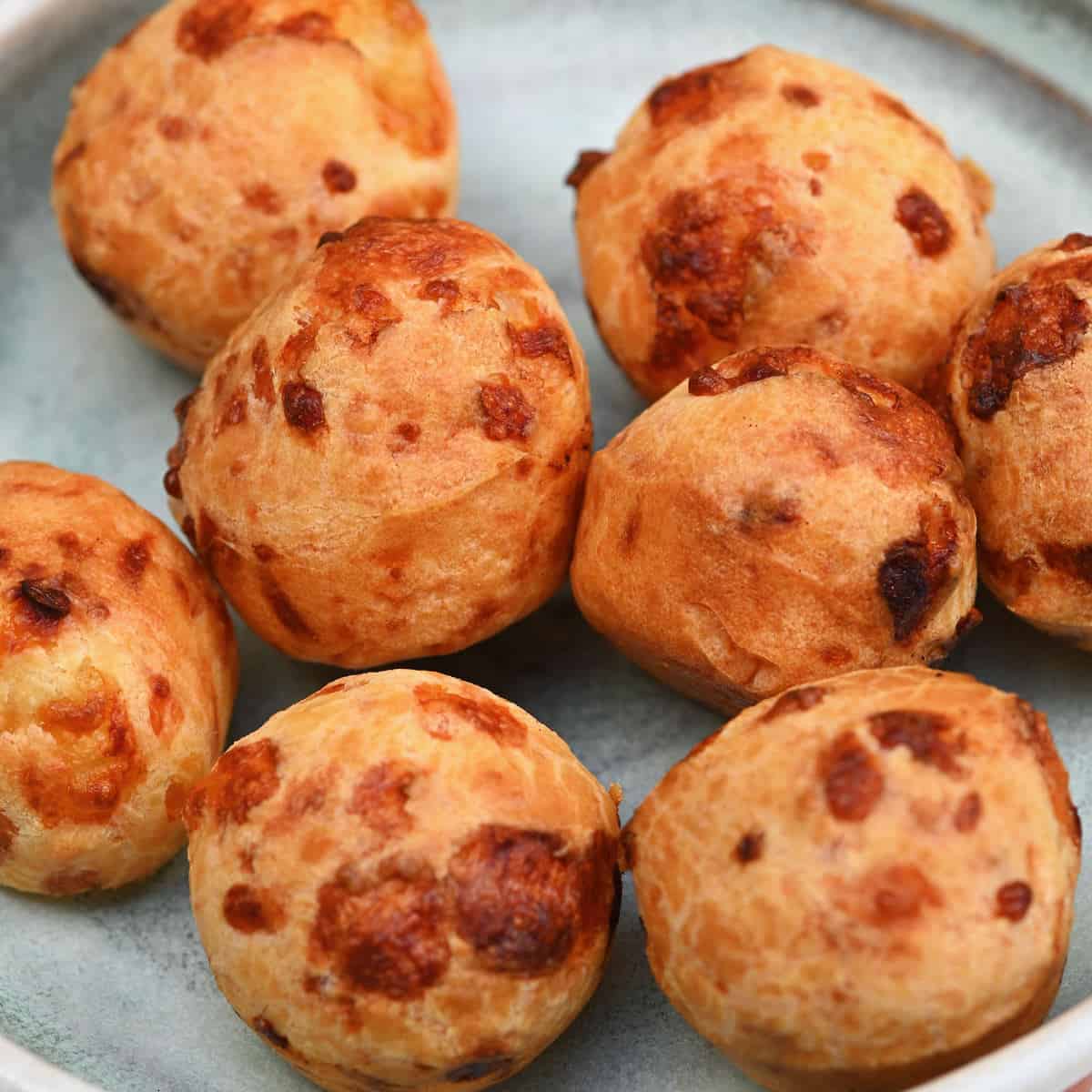
Quick Pão de Queijo: Bake Cheesy Brazilian Snacks in Under an Hour
Imagine a warm, golden-brown puff, slightly crisp on the outside, with a gloriously chewy, melt-in-your-mouth cheesy interior. Sounds like a dream, right? This isn't just any dream; it's the irresistible reality of Pão de Queijo, Brazil's beloved chewy, cheesy, gluten-free Brazilian puffs. These delectable Brazilian cheese bread puffs are a revelation, offering a unique texture and flavor that's surprisingly simple to achieve in your own kitchen – often in less than an hour from start to finish. Perfect for breakfast, as a snack with coffee, or alongside a meal, Pão de Queijo offers a taste of Brazil that's naturally gluten-free and utterly addictive.
In a world where baking often feels like a commitment, Pão de Queijo stands out as a joyous, quick-to-bake exception. Forget complicated yeast-leavened doughs or long proofing times. These cheesy Brazilian snacks are all about minimal ingredients, maximum flavor, and speedy satisfaction. If you've been exploring global baking, from Turkish simit to Greek pita, prepare for Pão de Queijo to steal your heart with its effortless charm and unforgettable texture.
What Exactly is Pão de Queijo? More Than Just 'Bread'
Despite its name, which literally translates to "cheese bread" in Portuguese, Pão de Queijo isn't technically bread at all in the traditional sense. When we think of bread, we envision flour, water, and yeast, leading to a light, airy crumb. Pão de Queijo, however, defies this definition entirely. There's no wheat flour, no yeast, and no gluten. Instead, these delightful Brazilian cheese puffs rely on the magic of cassava starch (also known as tapioca flour) for their unique composition.
This fundamental difference is what makes Pão de Queijo naturally gluten-free and gives it its signature texture: a thin, slightly crisp crust that yields to an incredibly chewy, almost elastic, and intensely cheesy center. Unlike yeast-leavened breads that rise from carbon dioxide produced by yeast, these starchy cheese rolls puff up due to the air trapped within the elastic cassava starch dough expanding rapidly during the baking process. It's a culinary marvel that transforms simple ingredients into something truly special.
The origins of Pão de Queijo are rooted in 18th-century Brazil, where similar cassava starch rolls were made by enslaved Portuguese colonists, often without cheese, as a staple food. Over time, as dairy became more accessible, cheese was introduced, elevating the humble starch roll to the beloved delicacy we know today. Now, these small cheesy Brazilian snacks are a ubiquitous sight, sold by street vendors, in bakeries, and supermarkets across Brazil and even in neighboring countries like northern Argentina. While traditionally made with local Minas cheese, modern variations embrace a range of cheeses, making it adaptable to any kitchen.
You might find similar starch-based cheese pastries in other parts of the world, such as Gougère in France, pandebono in Ecuador and Colombia, cuñapes in Bolivia, or Chipa in Paraguay. Each has its unique twist, but the essence of a savory, starchy, cheesy puff remains a universally appealing concept.
The Magical 5-Ingredient Formula: Crafting Authentic Pão de Queijo
One of the most appealing aspects of making Pão de Queijo at home is its incredible simplicity. With just a handful of core ingredients, you can whip up a batch of these glorious Brazilian cheese bread puffs. The beauty lies in the quality of these few components and understanding their role in achieving the perfect texture.
- Tapioca Starch (Cassava Flour): This is the undeniable star of the show and the foundation of your Pão de Queijo. It's what provides that distinctive elasticity and chewiness. Without gluten, tapioca starch creates a unique dough that puffs and stretches beautifully. You can use sweet tapioca starch (polvilho doce) or sour tapioca starch (polvilho azedo), or even a combination. Sweet starch yields a more subtle flavor and a slightly softer texture, while sour starch, which is fermented, adds a tangier note and often a bit more chew. For a deeper dive into this incredible ingredient, explore Tapioca Starch Magic: The Gluten-Free Secret of Brazilian Cheese Bread.
- Cheese: This is where the "queijo" comes in! Traditionally, Minas cheese is used in Brazil, known for its mild, slightly salty flavor and good melting properties. However, for those outside Brazil, a combination of accessible cheeses works wonderfully. A popular choice is a blend of mozzarella (for excellent melt and stretch) and Parmesan or Pecorino Romano (for sharp, salty flavor). You want cheeses that melt well and contribute to both flavor and texture.
- Fat (Oil and/or Butter): Since there's no gluten to provide structure and tenderness, fat plays a crucial role. Vegetable oil (like canola or sunflower oil) provides elasticity to the dough, preventing it from becoming too tough. Adding a touch of butter can enhance the richness and flavor profile. This fat is essential for creating the characteristic crisp exterior and soft interior.
- Liquid (Milk and/or Water): Milk contributes to richness and helps bind the dough. Some recipes might use a combination of milk and water. The liquid is brought to a boil and poured over the tapioca starch, a critical step that "scalds" or gelatinizes the starch, initiating its elastic properties.
- Eggs: Eggs act as a binder, helping to hold the dough together and contributing to the structure and richness of the Pão de Queijo. They also add a subtle eggy flavor that complements the cheese beautifully.
While some recipes, like the one from NYT Cooking, may include a tiny amount of baking powder for an extra lift, the primary puffing mechanism for these gluten-free Brazilian puffs comes from the unique properties of the tapioca starch itself. The simplicity of these ingredients truly allows the cheese and the distinctive starch texture to shine.
Your Quick Guide to Baking Perfect Pão de Queijo Puffs
Ready to get baking? Here's a streamlined approach to making these quick Pão de Queijo cheesy Brazilian snacks in under an hour.
Step-by-Step Baking Process:
- Prepare Dry Ingredients: In a large mixing bowl (or the bowl of an electric mixer with a paddle attachment), combine your tapioca starch and salt. If your recipe calls for it, add a tiny pinch of baking powder here too.
- Heat Liquids: In a small saucepan, combine milk, oil, and butter (and any specified water). Bring this mixture to a rolling boil over medium heat.
- Scald the Starch: Immediately pour the boiling liquid mixture over the dry tapioca starch. Using a sturdy spoon or your mixer, vigorously stir until the starch is fully incorporated and forms a crumbly, somewhat gluey mass. This "cooking" of the starch is vital for the chewy texture. Don't worry if it looks a bit odd at this stage!
- Cool and Add Eggs/Cheese: Allow the mixture to cool for about 5-10 minutes. It should be warm to the touch but not so hot that it cooks the eggs. Once slightly cooled, beat in the eggs one at a time until fully incorporated. Then, add your grated cheeses.
- Mix to Form Dough: Continue mixing until a smooth, elastic dough forms. It will be sticky but should pull away from the sides of the bowl. If mixing by hand, you might need to lightly flour your hands with tapioca starch.
- Form the Puffs: Preheat your oven to the recommended temperature (typically around 375-400°F / 190-200°C). Lightly grease a baking sheet or line it with parchment paper. Using lightly dusted hands (with tapioca starch), roll the dough into small balls, about 1 to 1.5 inches in diameter – roughly the size of a golf ball. Place them about an inch apart on the baking sheet.
- Bake to Golden Perfection: Bake for 20-25 minutes, or until the Pão de Queijo puffs are beautifully golden brown and well-puffed. They should feel firm but still yield slightly when gently squeezed.
Pro Tips for Success:
- Don't Rush Cooling: Allowing the dough to cool slightly before adding eggs prevents them from scrambling.
- Dust Your Hands: Tapioca starch is very sticky, so dusting your hands lightly with a little extra starch before rolling the balls will make the process much easier.
- Even Sizing: Try to make the balls a uniform size for even baking.
- Batch Freezing: Pão de Queijo freezes exceptionally well! Roll the dough into balls and arrange them on a baking sheet. Freeze until solid, then transfer to an airtight freezer bag. You can bake them directly from frozen; just add a few extra minutes to the baking time. This is perfect for having fresh, warm Brazilian cheese bread puffs on demand!
- Serving Temperature: While delicious at any temperature, Pão de Queijo is truly at its best served warm, when the cheese is still melty and the interior is delightfully chewy.
Beyond the Basics: Serving and Customizing Your Brazilian Cheese Puffs
Once your Pão de Queijo are fresh from the oven, the serving possibilities are endless. In Brazil, they're a staple for breakfast, often enjoyed alongside a strong cup of coffee (or perhaps a frothy Dalgona latte for a modern twist!). They make fantastic afternoon snacks, perfect for curbing those midday cravings. Don't limit them to just snacks, though!
Creative Serving Suggestions:
- Breakfast Bliss: Serve with scrambled eggs, fresh fruit, and a steaming cup of coffee or tea.
- Savory Sidekick: They make an excellent accompaniment to soups, stews, or even a simple green salad, adding a cheesy, gluten-free bread component to any meal.
- Appetizer Magic: Offer them as an appetizer at your next gathering. They pair wonderfully with sweet guava paste for a classic Brazilian combination, or with savory dips like a simple marinara or herbed cream cheese.
- Lunchbox Treat: Pack them in lunchboxes for a delightful and satisfying mid-day snack.
Elevate Your Brazilian Cheese Bread Puffs: Customization Ideas:
While classic Pão de Queijo is perfect as is, don't hesitate to experiment and make these cheesy Brazilian snacks your own:
- Cheese Varieties: Branch out beyond mozzarella and Parmesan. Try adding a bit of smoked provolone for depth, cheddar for a sharper flavor, or even a crumbled feta for a tangy twist.
- Herbaceous Additions: Finely chopped fresh herbs like chives, parsley, or oregano can brighten the flavor profile. Mix them directly into the dough.
- A Hint of Spice: For those who love a little heat, a pinch of cayenne pepper or red pepper flakes can add a subtle kick.
- Mini Fillings: For the adventurous baker, try inserting a tiny cube of cooked ham, pepperoni, or even a small olive into the center of each dough ball before baking.
To keep any leftover Pão de Queijo fresh, store them in an airtight container at room temperature for a day or two, or refrigerate for up to a week. For the best experience, reheat them briefly in a toaster oven or conventional oven until warm and slightly crisp again.
Conclusion
Making Quick Pão de Queijo is more than just baking; it's an invitation to experience the vibrant flavors and textures of Brazil with remarkable ease. These brazilian cheese bread puffs pao de queijo offer a delightful combination of crispness, chewiness, and intense cheesy goodness, all while being naturally gluten-free and ready in under an hour. Whether you're a seasoned baker or a curious beginner, the simple 5-ingredient recipe and straightforward process make Pão de Queijo an accessible and rewarding culinary adventure. So, roll up your sleeves, gather your ingredients, and prepare to be charmed by these irresistible cheesy Brazilian snacks – they're guaranteed to become a new favorite in your kitchen!
